
Horror fashion blends dark aesthetics, gothic romance, and cinematic horror tropes, ranging from graphic apparel to avant-garde runway designs. Key trends include “repulsive glamour,” body-altering silhouettes, and references to classic monsters or slasher flicks, often utilizing leather, blood-red palettes, and distressed textures to create a “fear-as-fashion” look.
Graphic & Cult Classics: Specialized brands like Fright-Rags and Terror Threads focus on T-shirts and apparel featuring icons like Jason Voorhees, Freddy Krueger, and cult classic films.
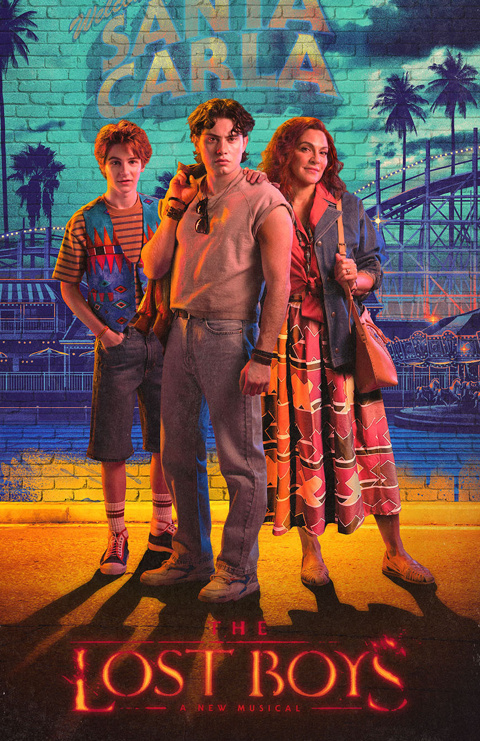
Vampire Aesthetic: Ranges from the high-fashion, sleek tailoring seen in The Hunger to punk-inspired leather jackets, mesh, and dark eyewear from The Lost Boys and Blade.
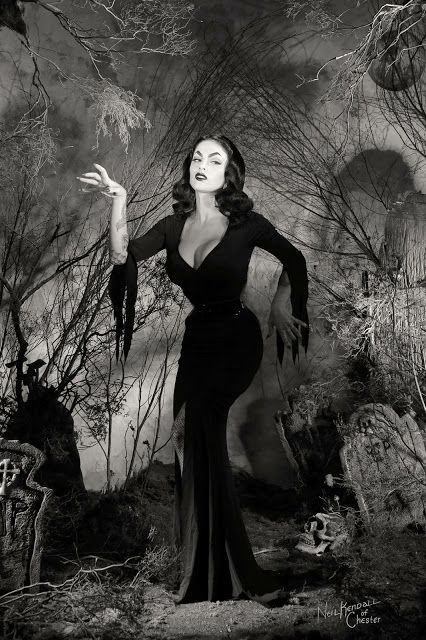
Gothic & Romantic Horror: Often features delicate white lace, burial gowns, and Victorian-inspired pieces, frequently seen in gothic ghost stories or films like Bram Stoker’s Dracula.
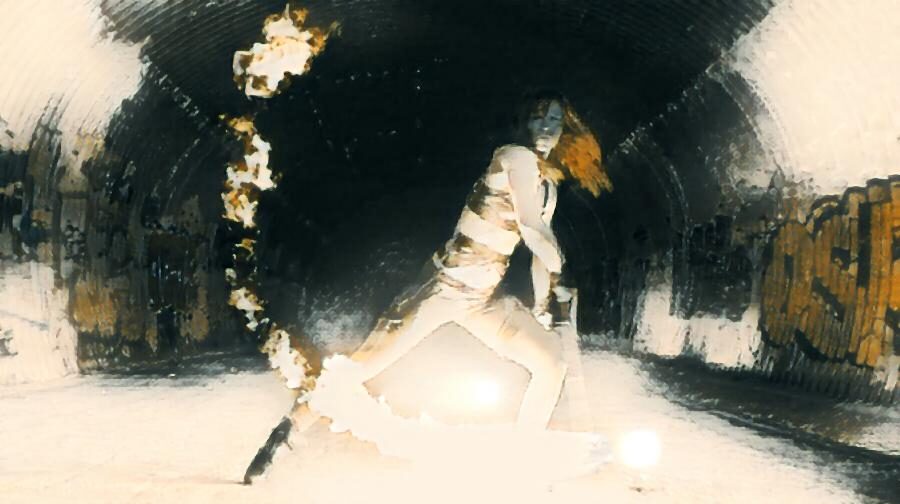
Body Horror & Avant-Garde: Designers like Dilara Findikoglu and Elena Velez use clothing to explore themes of decay, subversion, and anatomy, sometimes featuring metallic textures and sharp, monstrous protrusions.
Iconic Movie Fashion: Memorable styles include the “final girl” look (e.g., Jamie Lee Curtis in Halloween), blood-stained prom dresses, and the “dirty” 70s look in The Texas Chain Saw Massacre
In the arts and literature, the term avant-garde (from French meaning ‘advance guard’ or ‘vanguard‘) identifies an experimental genre or work of art, and the artist who created it, which usually is aesthetically innovative, whilst initially being ideologically unacceptable to the artistic establishment of the time.[2] The military metaphor of an advance guard identifies the artists and writers whose innovations in style, form, and subject-matter challenge the artistic and aesthetic validity of the established forms of art and the literary traditions of their time; thus, the artists who created the anti-novel and surrealism were ahead of their times.[3]
2026 Reign 13RK rv